Getting Your Smart Meter Heating Right: It’s All About the Light
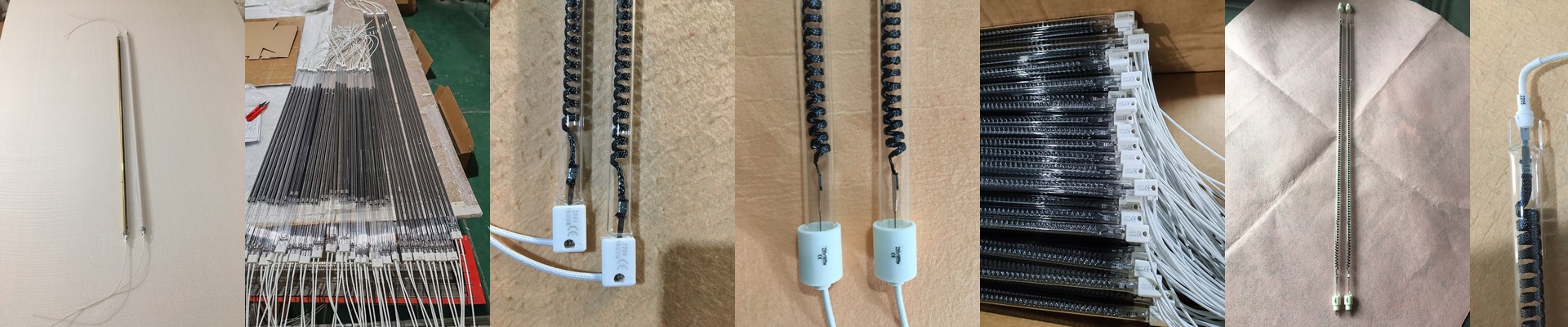
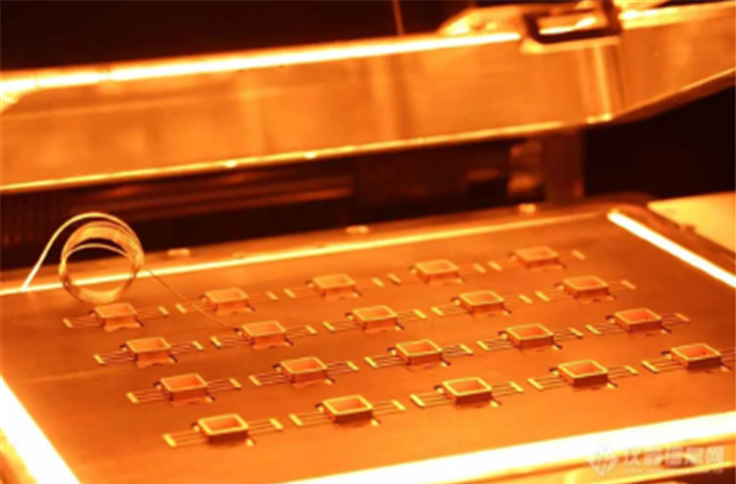
When you’re heating up smart meter PCBs, you want the heat going exactly where it belongs. You don’t want to waste energy warming up the machine’s chassis or heating the air around the board. That’s why we use infrared lamps with reflectors. Basically, the shape of that reflector is what decides if you’re being efficient or just throwing money away. The trick with the light path Think about it: a standard lamp throws energy in every direction. If you don’t have a reflector, you’re losing half your power right off the bat. We curve the reflectors to catch those escaping rays and bounce them straight back onto the PCB. When you tighten that focal point, the heat intensity jumps. This is great because you can hit your target temperatures way faster without having to crank up the wattage and stress your system. Dealing with the geometry The angle of the reflector wall changes everything. A deep parabolic shape puts a lot of heat right in the center. A shallower curve spreads it out. If the specs are off, you’ll run into trouble. You’ll see “cold spots” on the edges of the board, or worse, “burn-in” zones in the middle where it’s just too hot. To fix this, we make sure the lamp’s filament sits exactly where the reflector expects it to be. No gaps, no guesswork. The trade-offs Now, you might think “more intensity is always better,” but that’s not actually true. If you concentrate too much energy in one tiny spot, you risk warping the thin PCB or frying sensitive components. It’s a balancing act. You have to tune the reflection angle to match how fast your conveyor is moving. Plus, if you go for maximum intensity, keep an eye on your cooling fans—otherwise, the lamp housing will start to overheat. Getting it ready for the floor Once you’ve got everything wired up, double-check your alignment. It sounds tiny, but a 2mm shift in the lamp’s position can tank your energy efficiency by 15%. I always suggest using fixed mounting brackets. It locks the optical path in place so every single board gets the same amount of heat. It’s the easiest way to keep your scrap rates low and your production line moving.