Why IR Heating Just Makes More Sense for BGA Work
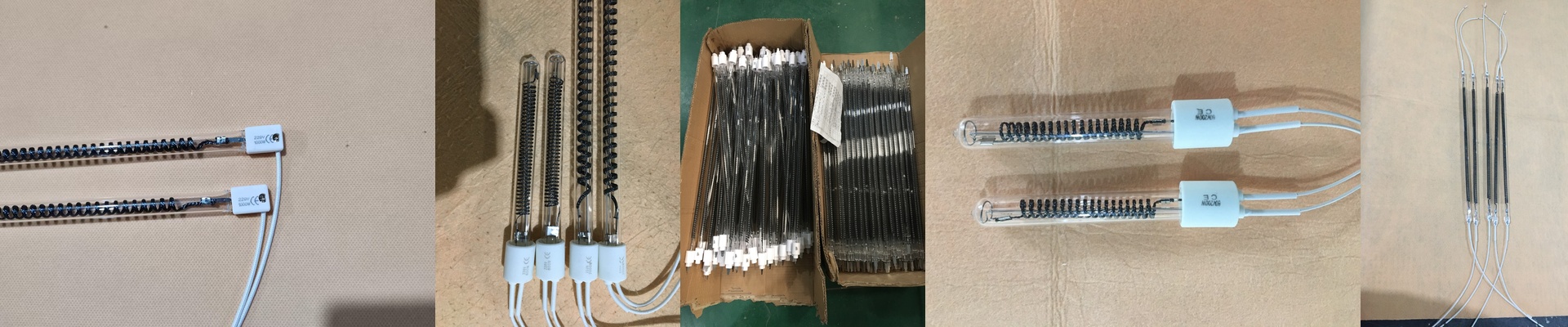
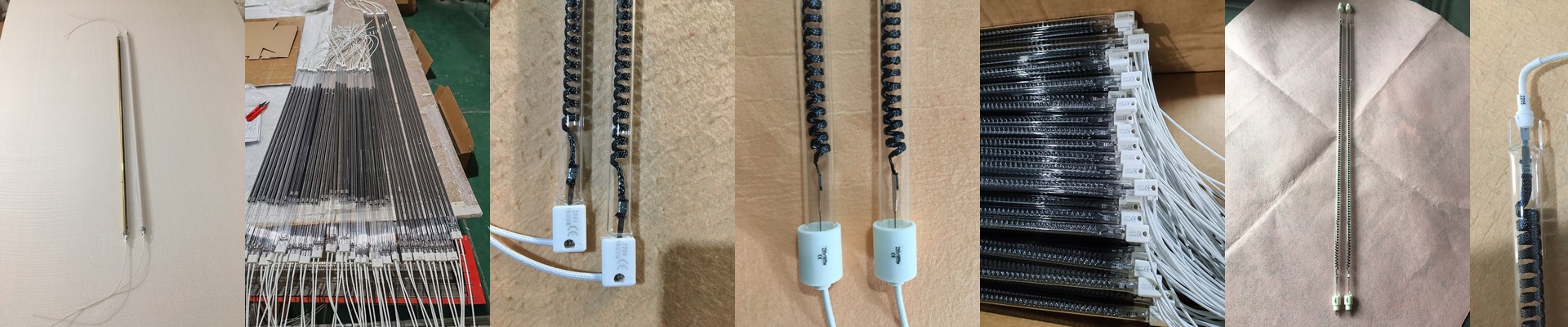
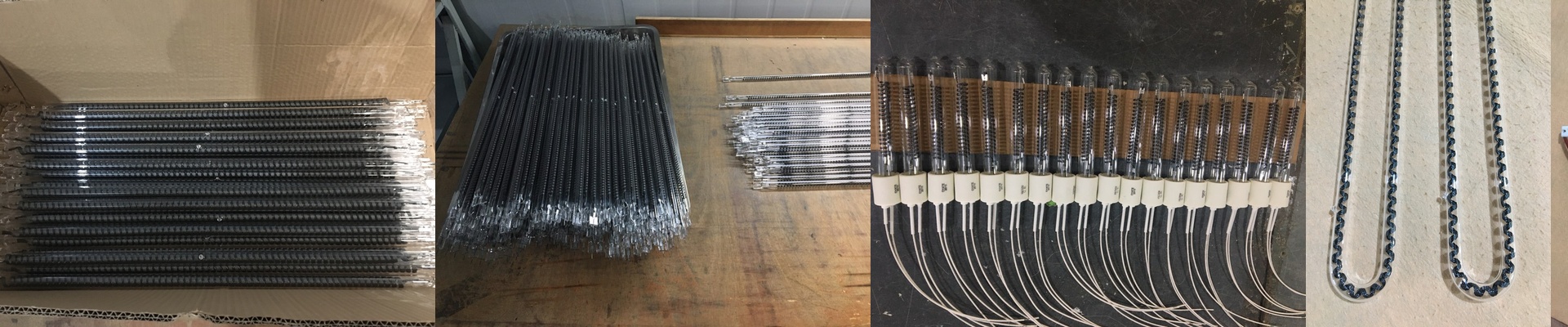
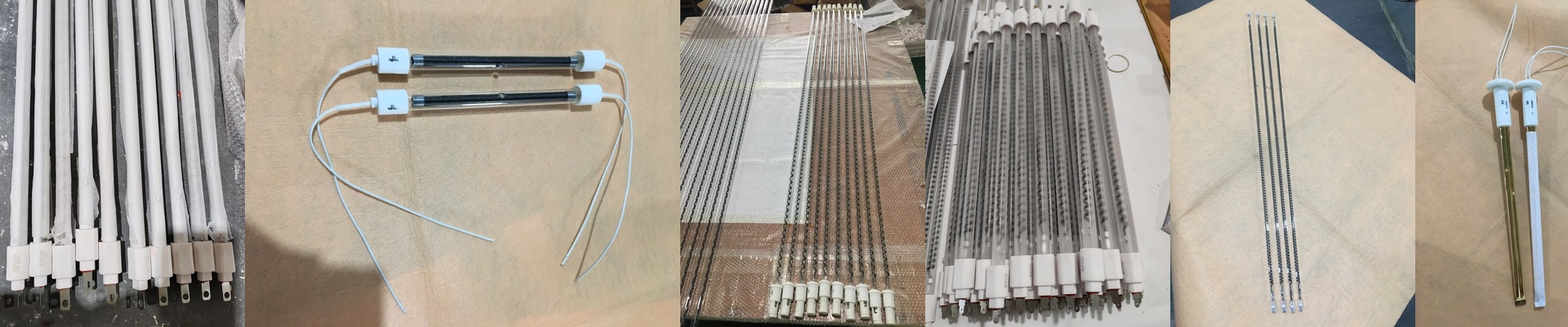
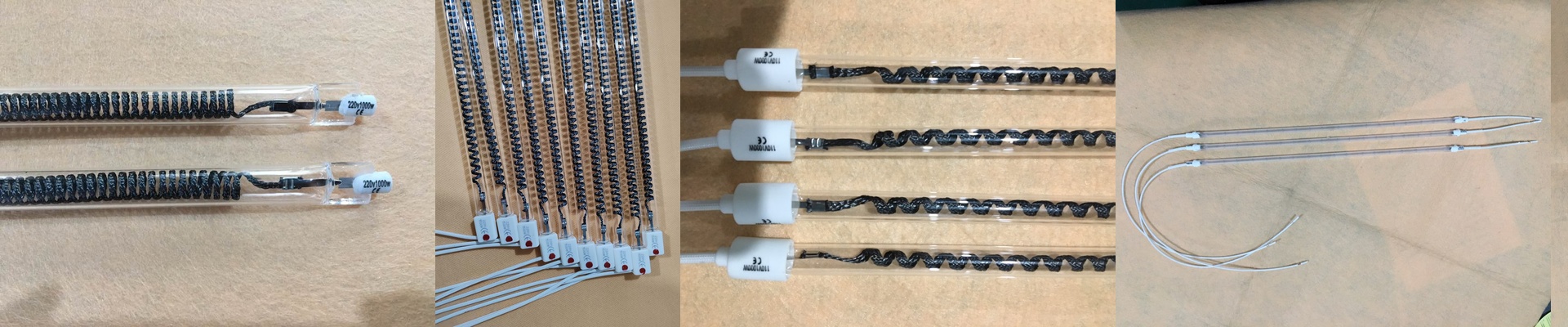
Ever tried fixing a smart lock PCB? It’s a pain. You’re dealing with BGA chips, where all the solder joints are hidden underneath the component. If you’re using a hot air station, you’re basically just blowing hot wind across the board. But here’s the problem: air is terrible at moving heat. It struggles to actually get into that tiny gap between the chip and the board. You end up blasting the surface while the solder underneath stays stubborn. That’s why we switched to infrared (IR) lamps. IR doesn’t mess around with the air. It uses radiative heat, meaning the energy travels in a straight shot and hits the molecules inside the components directly. It’s a different kind of heat. Instead of heating the air and hoping for the best, the IR energy sinks right into the material. It penetrates the solder mask and the chip package itself. This means the temperature climbs evenly. You get those solder balls to melt quickly, and you don’t end up melting the plastic housing of the lock in the process. Now, it’s not a magic fix. Nothing is. You have to keep an eye on your materials. A shiny, gold-plated pad is going to reflect that heat, while a dark, matte chip will soak it up like a sponge. If your board is a mix of both, you might get some uneven spots. You just have to play around with the lamp’s distance and wattage so you don’t accidentally fry one section. When we set up our BGA rework stations, we go with lamps that have a concentrated short-wave spectrum. It keeps the heat locked onto the specific footprint you’re working on, rather than heating up the entire chassis. It’s a much tighter thermal profile. That’s the secret to avoiding warped boards or those nasty layers peeling apart (delamination) while you’re desoldering. Pro tip: hook it up to a PID controller. It keeps your temperature curves steady so you aren’t guessing.