Stop Guessing with Your Heat
Let’s be honest: the days of just waving a basic heat gun around a phone are over. If you’re still doing that, you’re playing a dangerous game. Real precision isn’t about just “getting it hot”—it’s about putting the exact amount of power exactly where it needs to go, without frying the rest of the board. That’s why we moved away from generic heating and switched to controlled infrared (IR).
Getting the Heat Where it Actually Matters
There’s a very thin line between a successful repair and a ruined device. Too cold? That adhesive won’t budge, and you’ll end up cracking the glass the second you try to pry it. Too hot? You’ve just warped the board or popped a capacitor. Not a great look. We use shortwave IR because it doesn’t just sit on the surface. It punches through the glass and hits the adhesive layer directly. It’s fast. Really fast. You’re hitting your target temperature in seconds, not minutes, which keeps your workflow moving.
The Nitty-Gritty Stuff
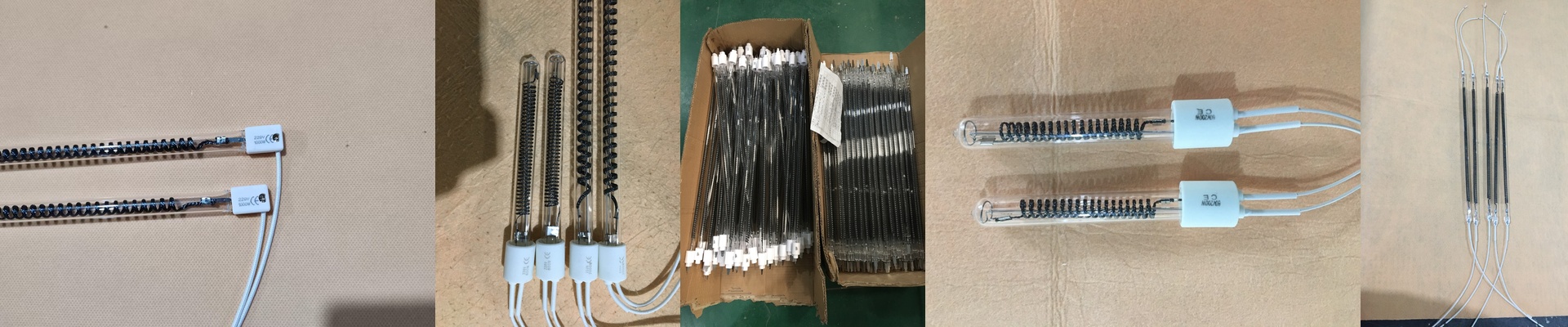
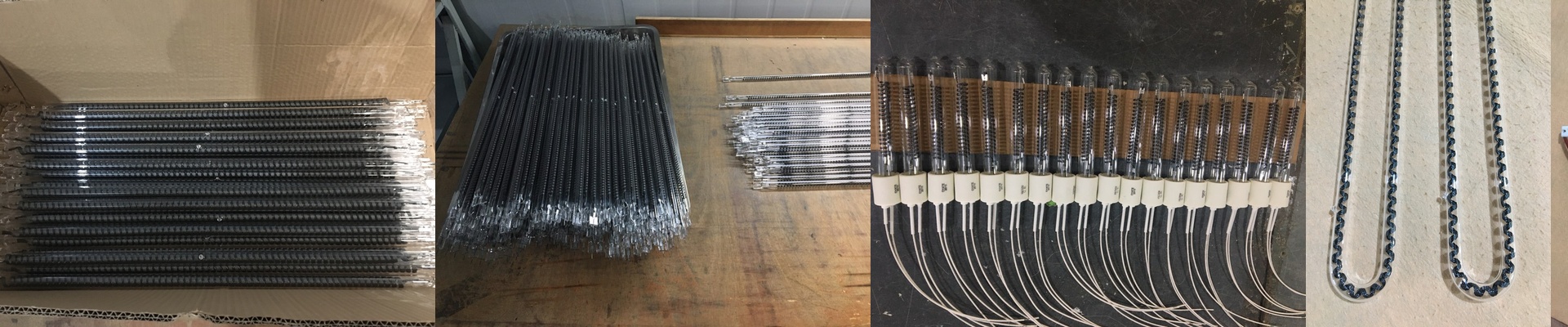
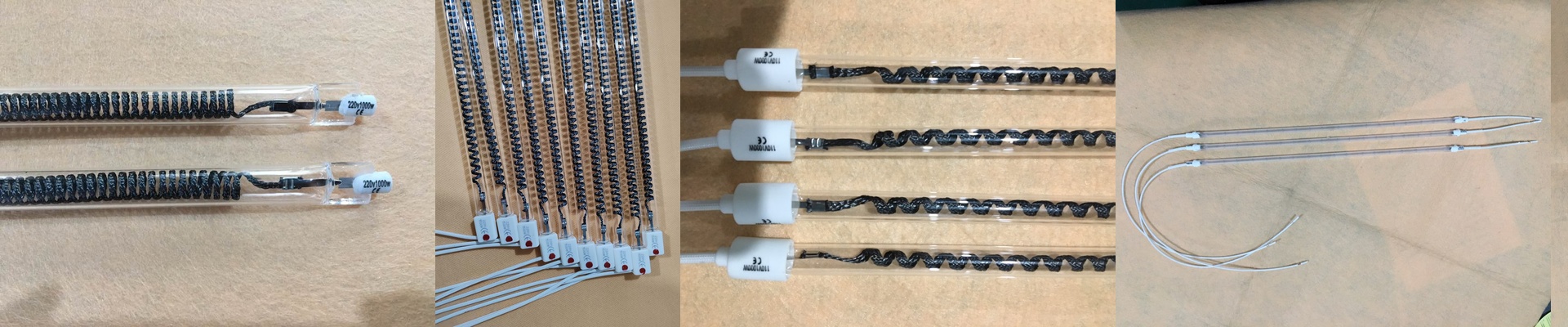
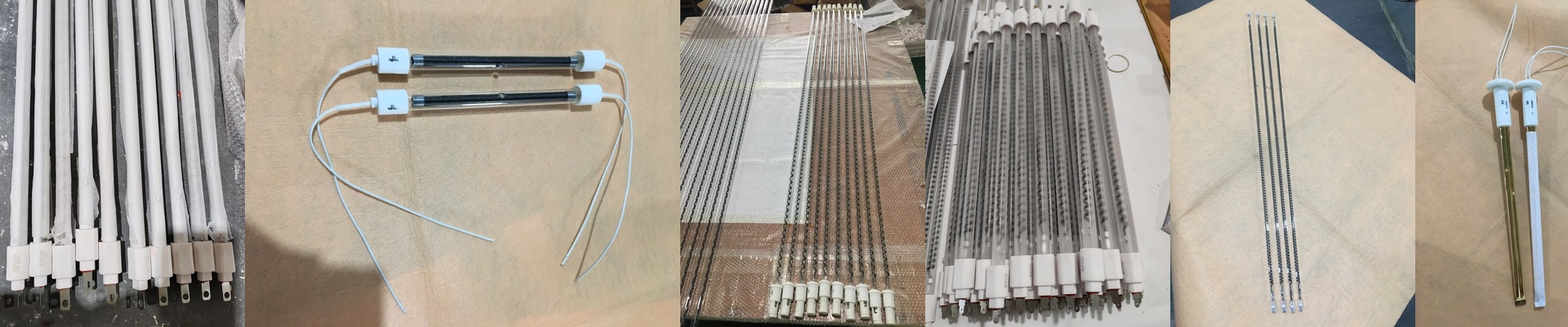
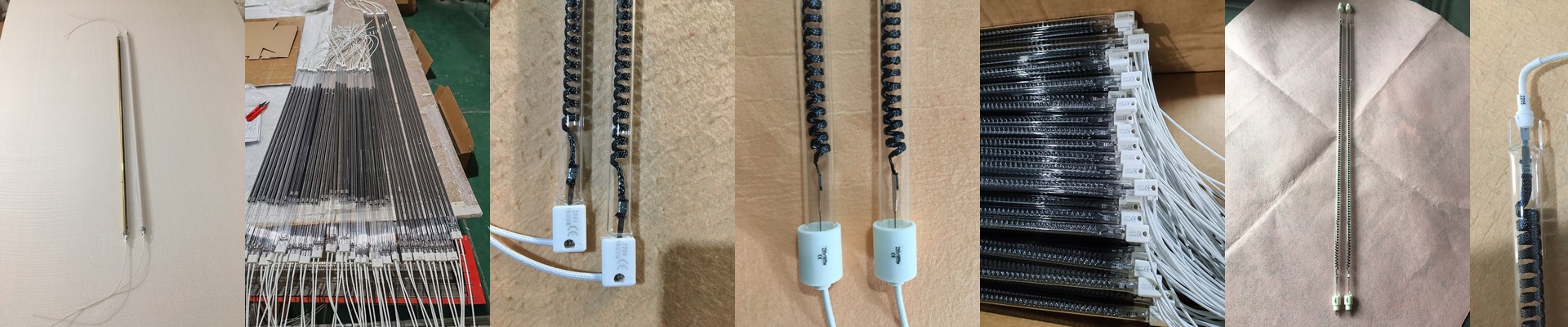
We build these lamps with high-density quartz elements for a reason. Your gear needs to be able to jump from cold to 200°C and back down again without the filament snapping. We also beefed up the connectors. There’s nothing worse than a lamp that flickers or arcs just because you moved the arm an inch to the left. But here is a heads-up: this kind of power requires a decent setup. These lamps pull a lot of current. If you’re running your whole shop off one old power strip or outdated wiring, you’re going to trip a breaker. You need a clean, steady power feed to keep the wattage consistent.
Making it Work on Your Bench
A lamp is useless if it’s in your way. We’ve kept the housing tight and compact so it doesn’t block your microscope or knock into your tweezers. It keeps the heat focused on the phone, not on your hands. Plus, when you hook it up to a digital controller, you can actually lock in your temperature. No more “feeling” if it’s hot enough. You just follow the spec sheet and get the job done.