Stop Guessing With Your PCB Heaters
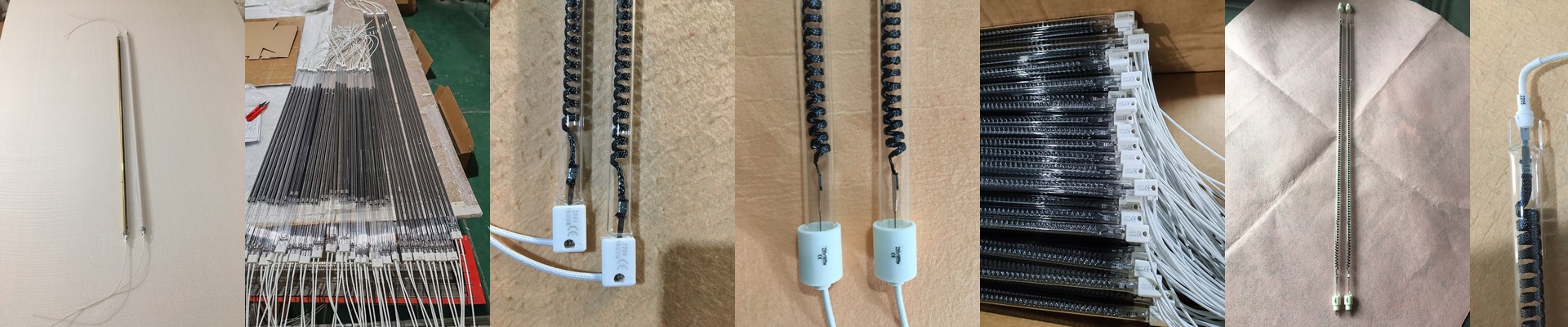
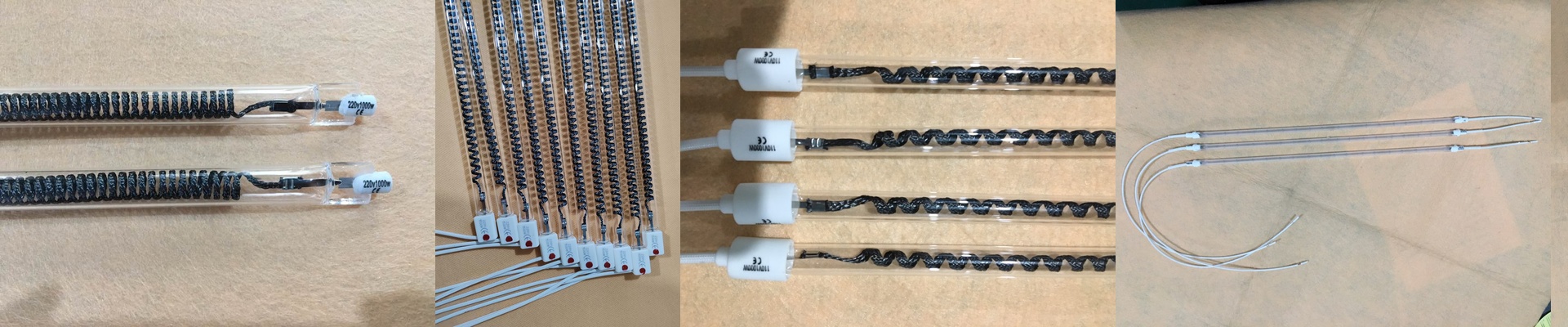
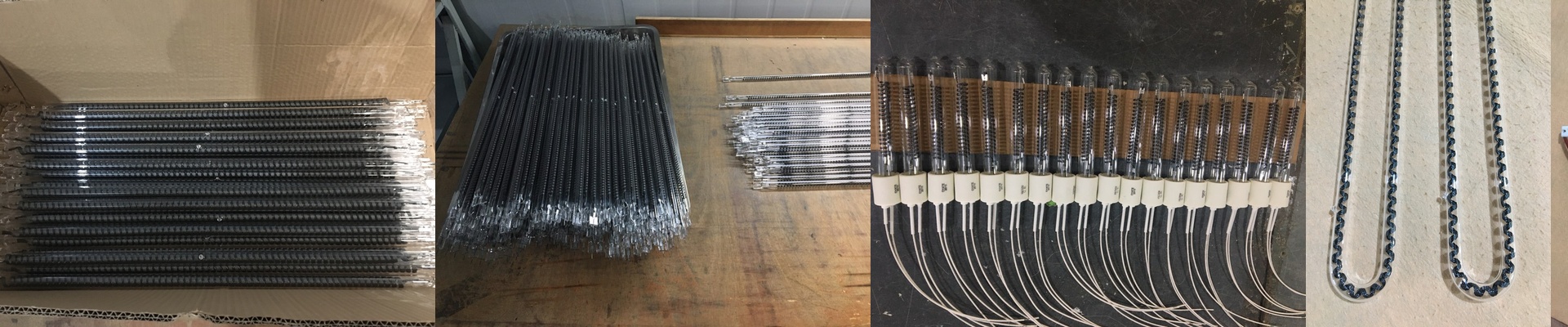
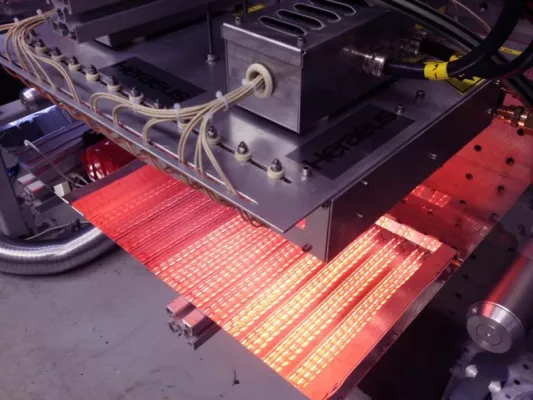
For years, SMT reflow and preheating lines have basically been running on “dumb” infrared lamps. You plug them in, they get hot, and you just pray the thermocouple is actually catching those heat spikes before they ruin a board. It’s a stressful way to work. And honestly? We’re done with it. Over the next few years, these infrared tubes are turning into something much smarter—basically networked sensors.
The Problem With “Passive” Heat
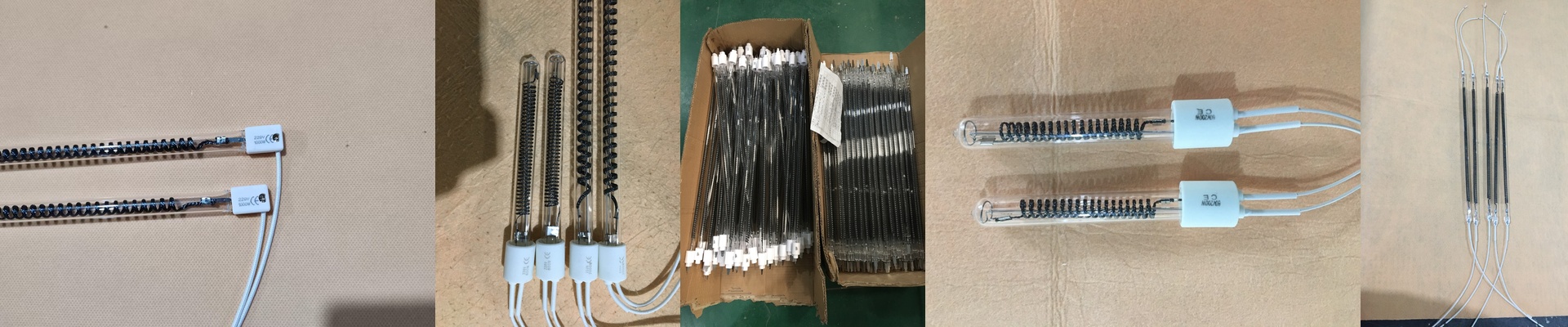
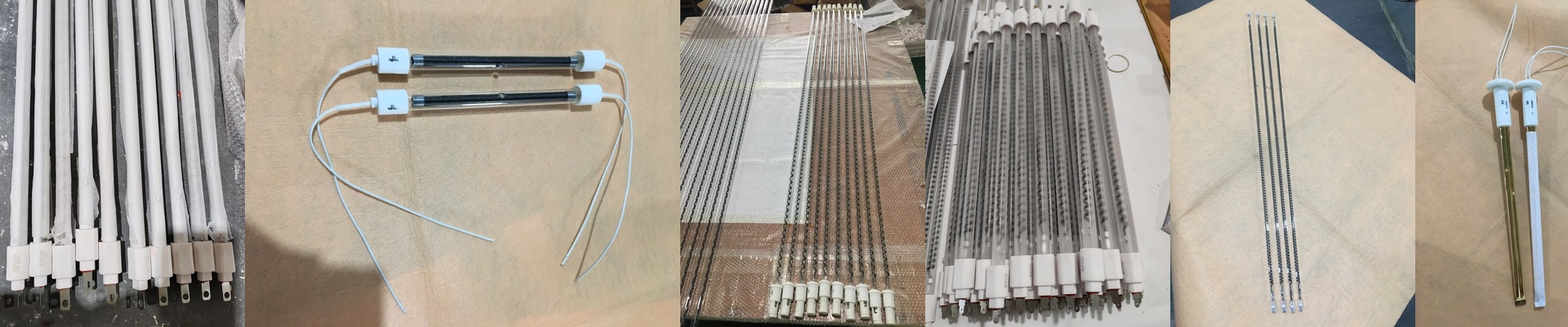
Right now, most stations use quartz or halogen tubes that just run on a fixed voltage. The problem is, you usually have no idea when a tube is starting to burn out or the filament is sagging. You only find out when the PCBs start failing X-ray inspection or you spot those dreaded cold solder joints. That’s a nightmare. So, we’re changing how the hardware talks. We’re putting communication protocols right into the lamp housing. Now, the lamp actually “chats” with the PLC, reporting its filament health and exactly how much wattage it’s pulling in real-time.
Plugging In the Data
To make this happen, we had to rethink the electrical setup. It’s not just a power cable anymore; we’ve added data lines right into the lamp sockets. By keeping an eye on the voltage drop and current ripple at the source, the system can tell you a lamp is about to die before it actually happens. Think about that. You can just swap the lamp during your scheduled downtime instead of having the whole line grind to a halt in the middle of a shift.
The Honest Trade-off
Now, here’s the tricky part. Electronics and extreme heat don’t get along. They hate each other. To keep the IoT modules from frying, we have to use heat shields or move the controllers further away. This means your initial setup costs more and the wiring gets a bit more crowded. You’ll also need to make sure your controllers can handle the extra data traffic. It’s a bit more expensive upfront, sure. But it beats the hell out of unplanned downtime and scrapped boards.