How We Stress-Test Automotive PCBs Using Custom IR Heating
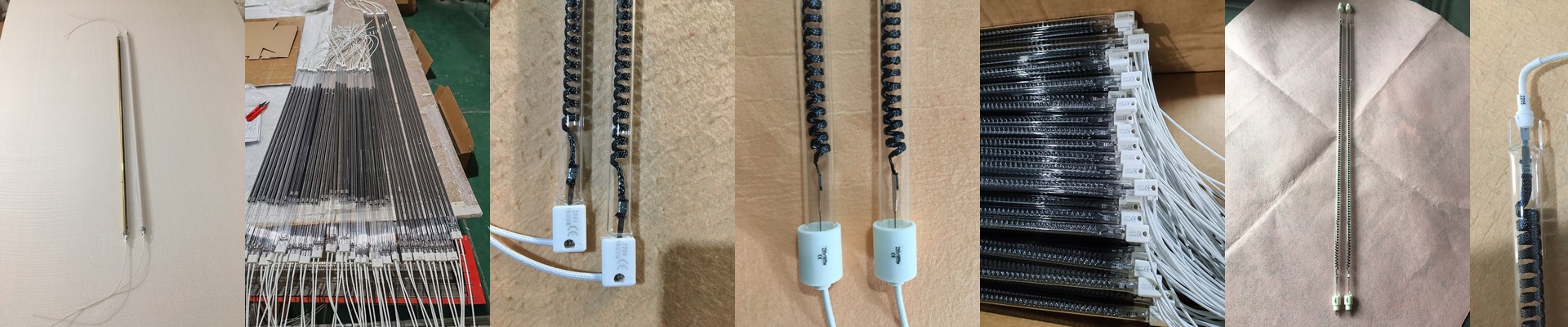
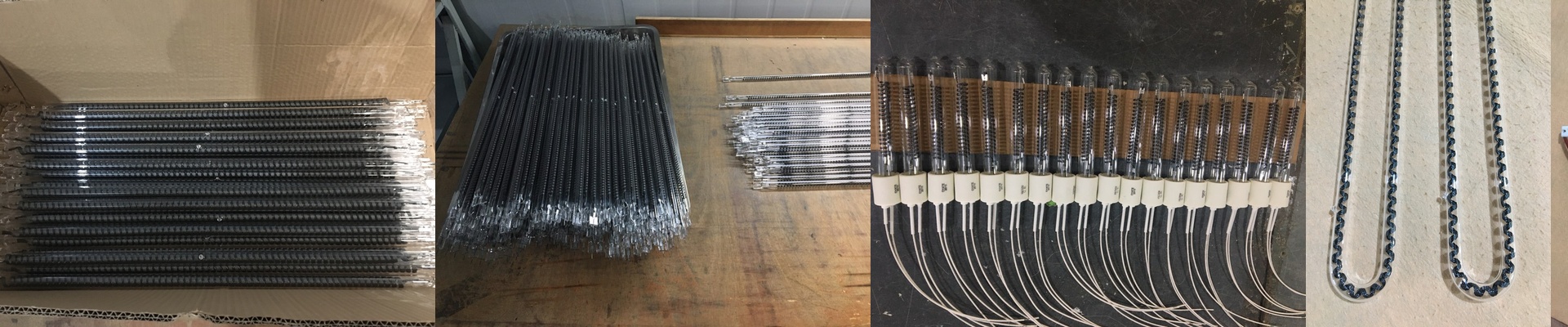
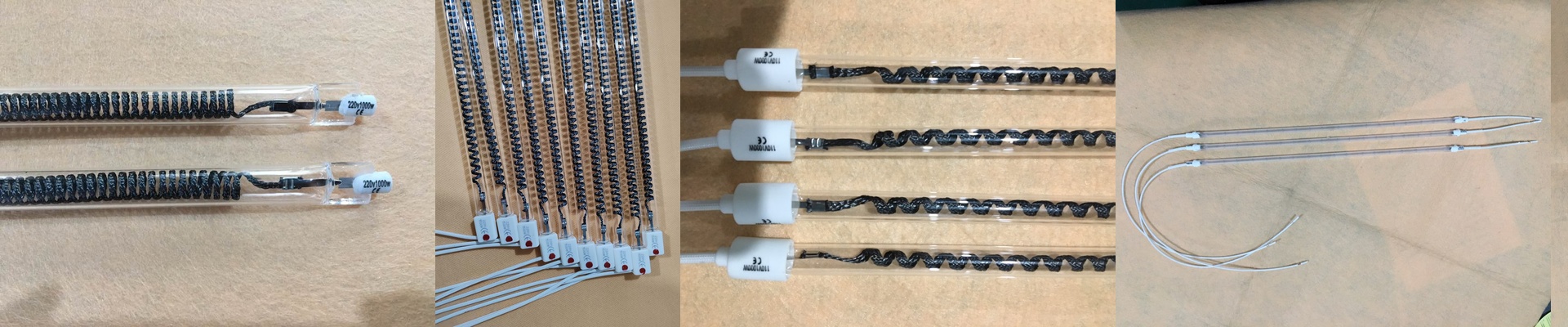
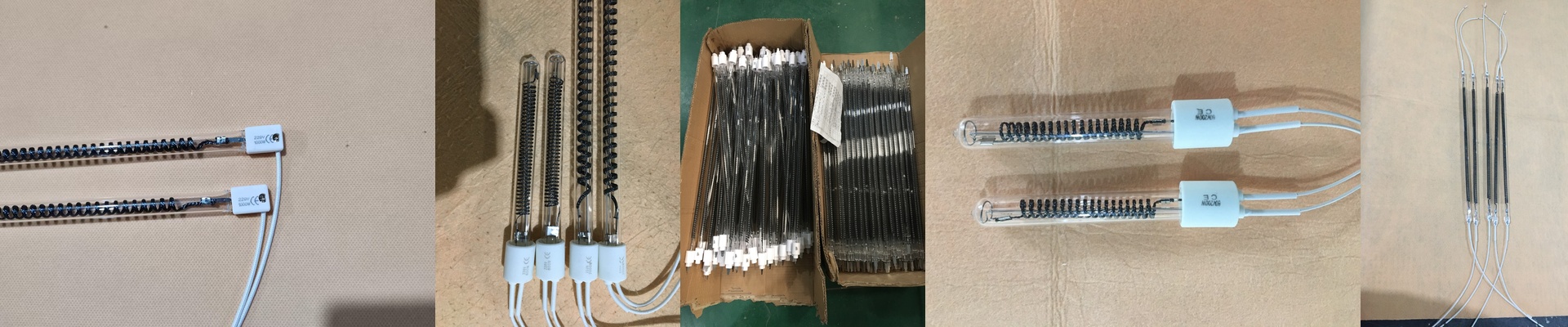
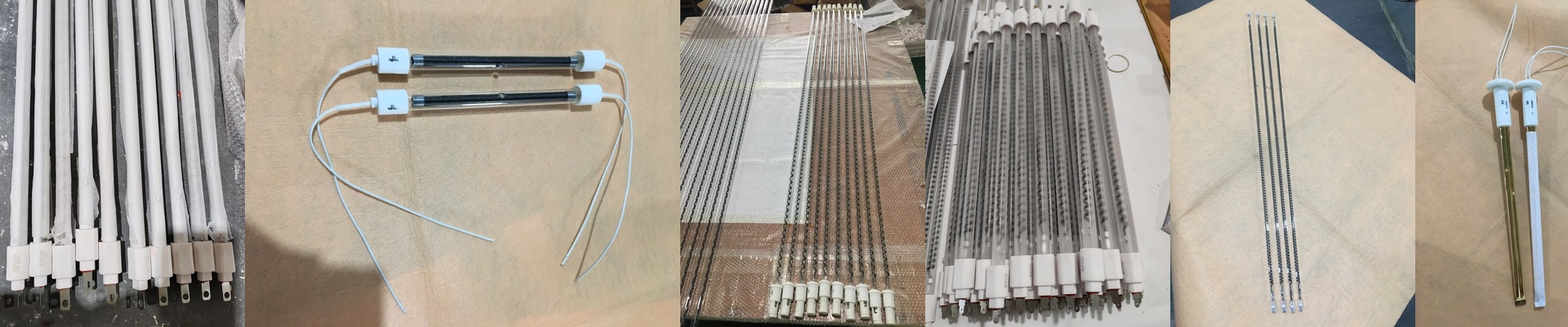
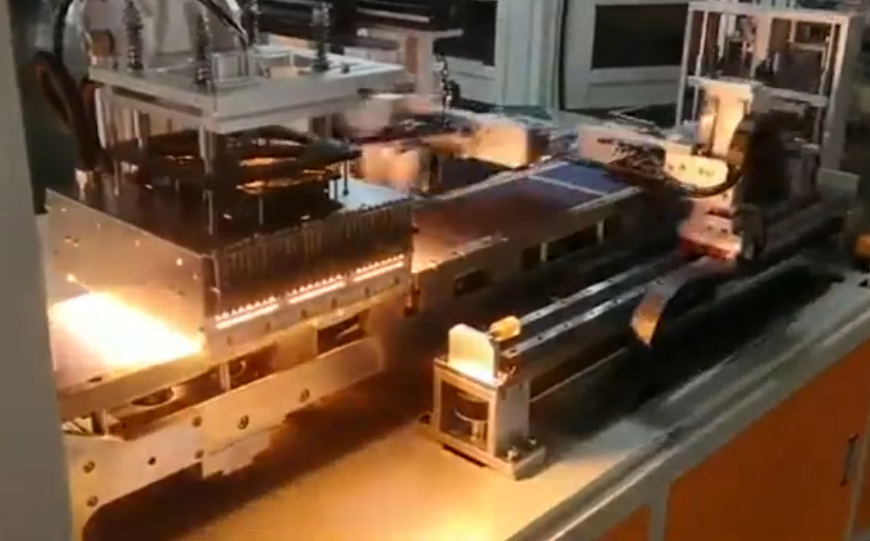
Modern car electronics are getting hammered. Between the blistering heat of an engine bay and the freezing cold of a winter morning, these boards have a rough life. To make sure they don’t quit on the driver, we build custom heating stations using short-wave infrared (IR) lamps. Here’s the deal: we don’t use those slow convection ovens. Those take forever. With IR, we hit the board surface directly. It’s fast. Really fast. We can ramp up the heat in seconds, which saves a massive amount of time. Getting the heat just right To mimic a hot engine or a baked-out cabin, it all comes down to power density. We use high-wattage quartz halogen tubes because they give us a lot of control over the heat flux. But you can’t just blast it. If you do, you’ll fry the components. We use digital controllers to dial in the power so the board hits the target temperature without overshooting. If it’s still too hot or too cold, you just shift the distance between the lamp and the board. Simple as that. The gear we use We stick with high-purity quartz glass for the tubes. Why? Because it can handle the thermal shock without cracking. Depending on the job, we sometimes add special coatings to the lamps. This lets us push the heat exactly where it’s needed—like right onto the solder joints or a specific chip. For the plugs, we use R7s or Sk15 connectors. They’re standard parts, so when a tube finally burns out, you can swap it for a new one without any headache. The reality of using IR This is easily the quickest way to run thermal cycling or high-temp soak tests. It turns hours of waiting into a few minutes of work. But there is a catch. IR is “line-of-sight.” If your board has tall capacitors or big heat sinks, they’ll cast a shadow and leave “cold spots” on the components underneath. To fix that, we just angle multiple lamps from different directions to make sure every inch gets cooked. One last tip: these things put out a lot of energy. Make sure your station’s chassis has plenty of venting, or you’ll end up overheating the very electronics meant to control the heat.