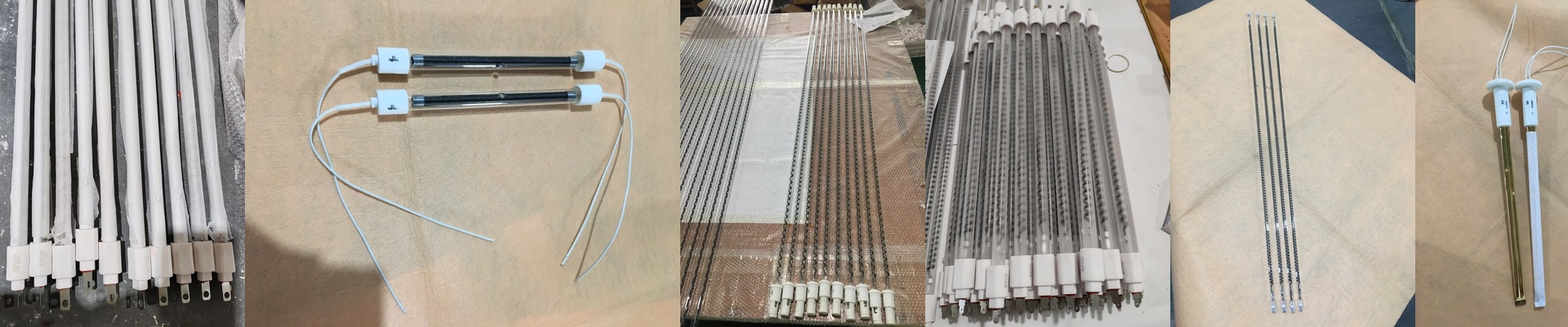
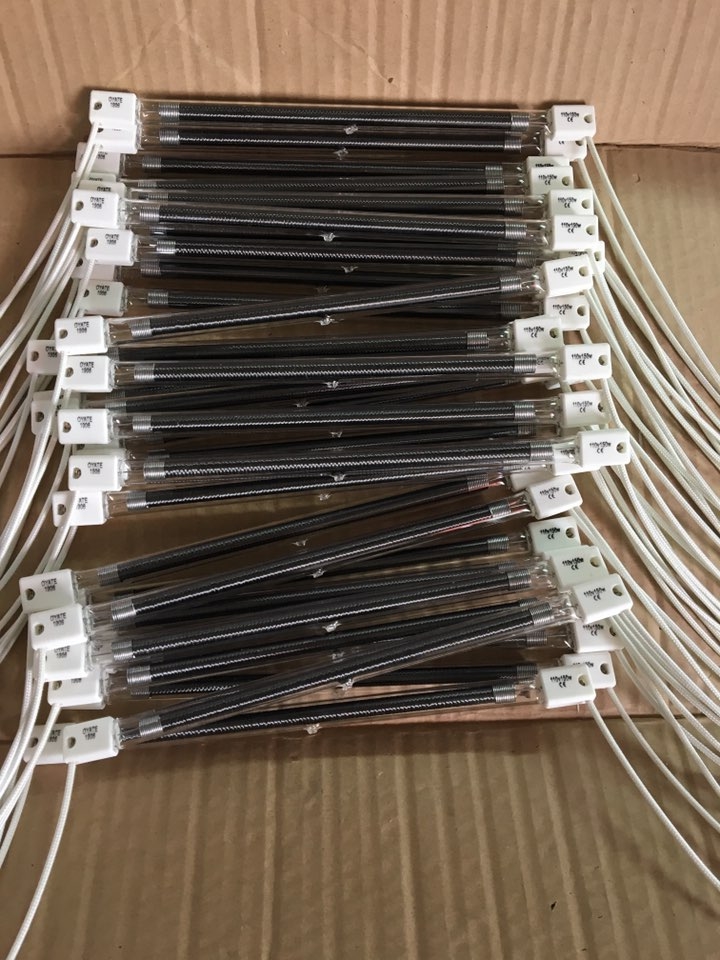
Quartz or Carbon? Picking the Right Infrared Heater
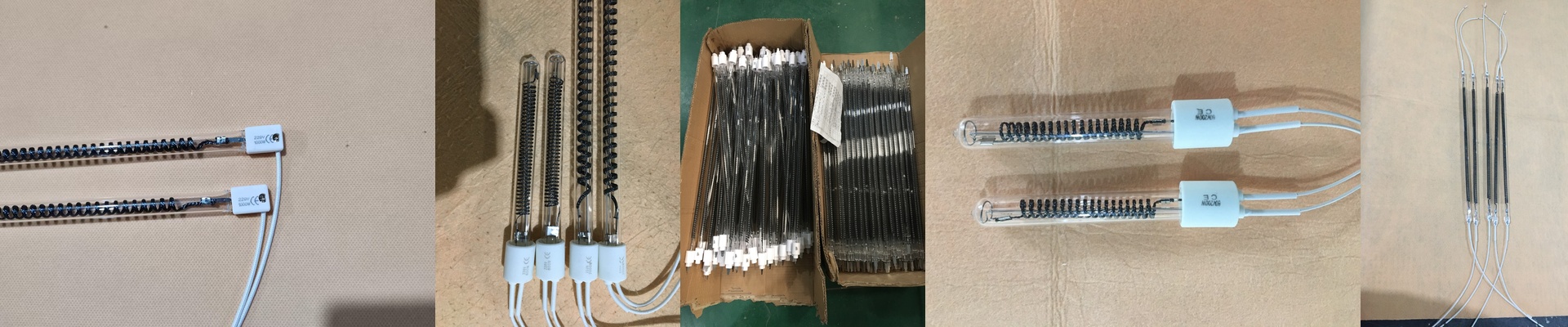
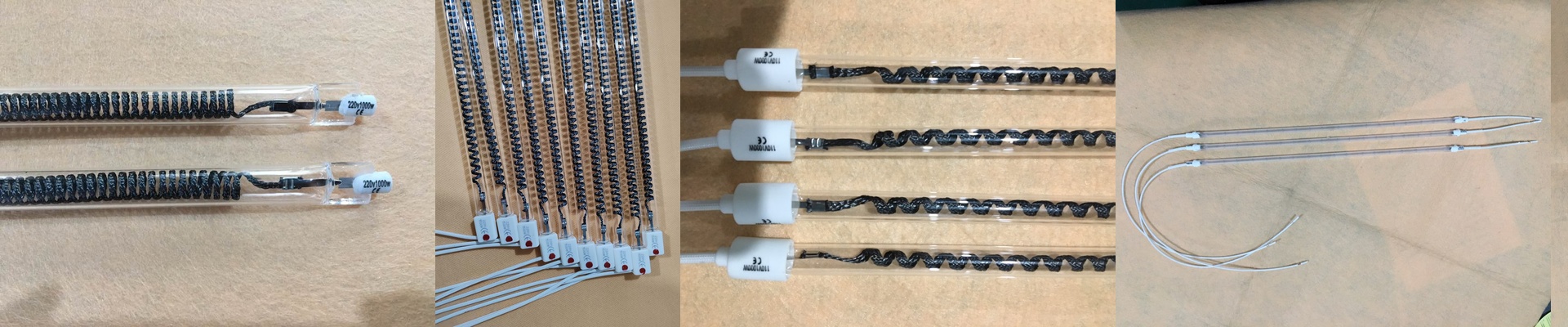
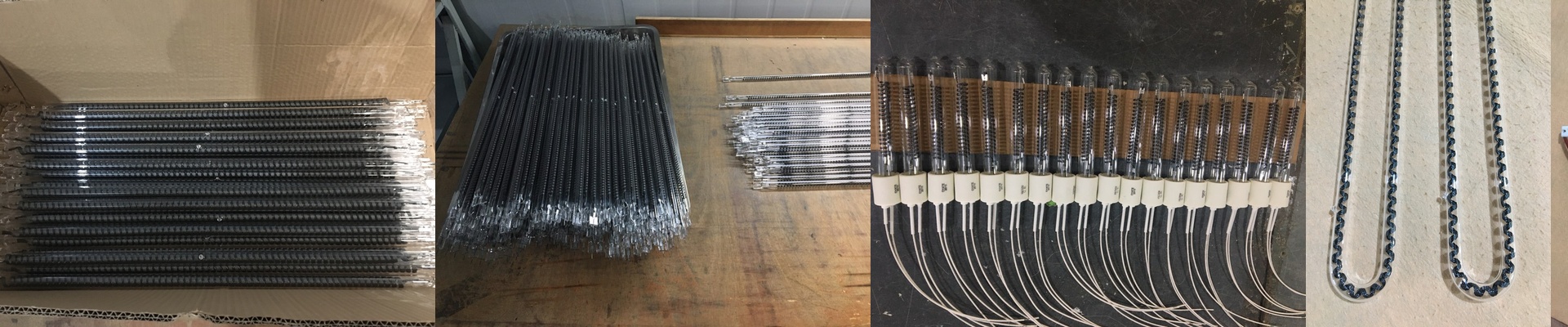
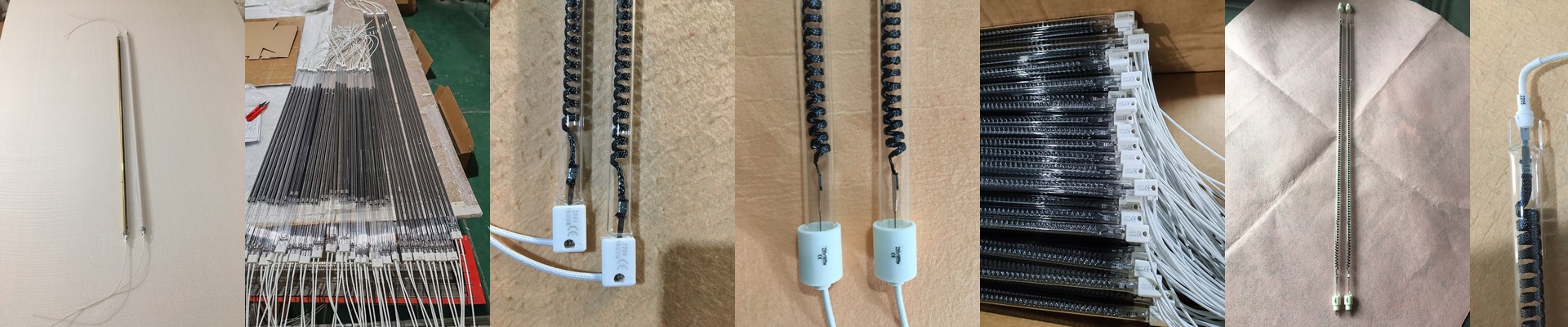
So, you’re trying to decide between quartz and carbon infrared heaters. It usually boils down to two things: how deep you need the heat to go and how fast you need it to get there. The Quartz Side of Things Think of quartz heaters like a flashbulb. You’ve got a tungsten filament inside a glass tube, and the second you flip the switch, it’s hot. Like, really hot. If your project involves “flash-heating” or you’re constantly cycling the power on and off, quartz is your best bet. It hits those high temperatures almost instantly. But here’s the catch: they’re fragile. One clumsy move during a replacement and snap—there goes your glass tube. Plus, they pull a lot of power quickly. If your wiring isn’t spot on, you might find yourself staring at a tripped breaker more often than you’d like. The Carbon Alternative Carbon heaters are a different beast. They use carbon fiber or composites, which gives you a broader, more mellow heat. It’s not as piercing as quartz, but it spreads the warmth much more evenly across the surface. The best part? They’re tough. You don’t have to baby them. They can handle vibrations and physical bumps that would shatter a quartz lamp, so you aren’t replacing them nearly as often. The trade-off is the wait. They don’t jump to full power instantly; they need a little time to warm up. Which one actually fits your job? I usually see quartz in places where every second counts, like PET blowing or curing lines. Because it’s “short-wave” heat, it actually sinks deeper into plastics. If you’re working with a thick piece of material, quartz is the way to go. Carbon is better for the “slow and steady” jobs. Think drying surfaces or working with thin films. Since it doesn’t penetrate as deeply, you don’t have to worry about accidentally scorching the top layer of your material. Just a quick tip: if you go with quartz, double-check your power supply. Those initial current spikes can be a real pain if your system isn’t ready for them.