IR vs. Forced Convection: Getting BGA Reflow Right
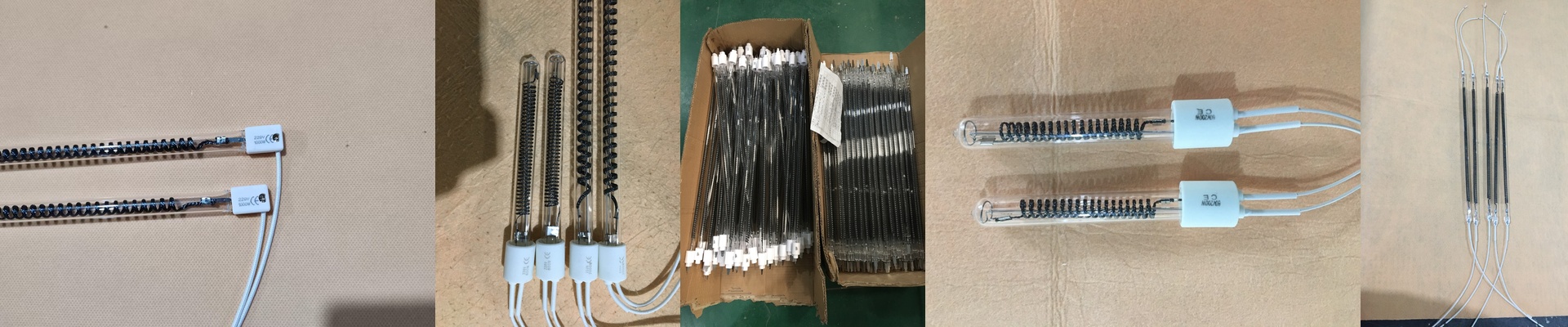
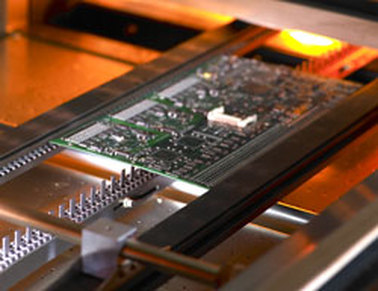
When you’re working with BGA packages, you’ve got a tricky problem. You need to melt those solder balls hiding under the chip, but you don’t want to fry the top of the component in the process. Most people just default to hot air. It’s the standard. But if you look at the physics, infrared (IR) is actually the smarter play for this kind of footprint. Here’s why. Hot air is all about convection. It hits the surface first, and then you just have to hope the heat crawls its way down to the joints. It’s slow. It creates this huge temperature gap where the top of your chip is screaming hot while the balls underneath are barely warming up. Not ideal. IR is a different beast. Instead of waiting for heat to soak through, IR waves basically dive right through the plastic molding of the BGA. They go straight for the solder balls and the copper pads. The heat starts exactly where you need it. No more praying that the thermal conduction is working fast enough. Plus, there’s the air issue. With IR, you aren’t blasting masses of air around. That means you don’t get that annoying “wind-chill” effect on the edges of your board. Everything stays way more consistent. And since IR reacts almost instantly when you tweak the power, your ramp-up and soak zones are much tighter. You get a clean, sharp thermal profile. It just feels more precise. But look, it’s not a magic bullet. There’s a catch. IR is sensitive to how things look. A shiny, reflective component behaves differently than a matte black one. If your board is a mix of both, you’re going to see some temperature swings. You’ve got to make sure your IR wavelengths actually match your materials. If you skip that step, you’ll end up with cold joints on the reflective parts, and then you’re right back where you started.