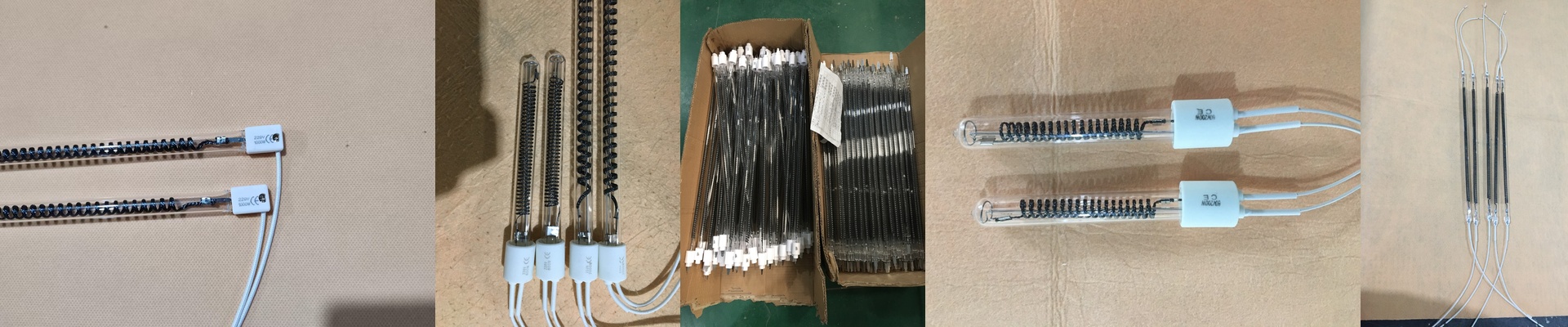
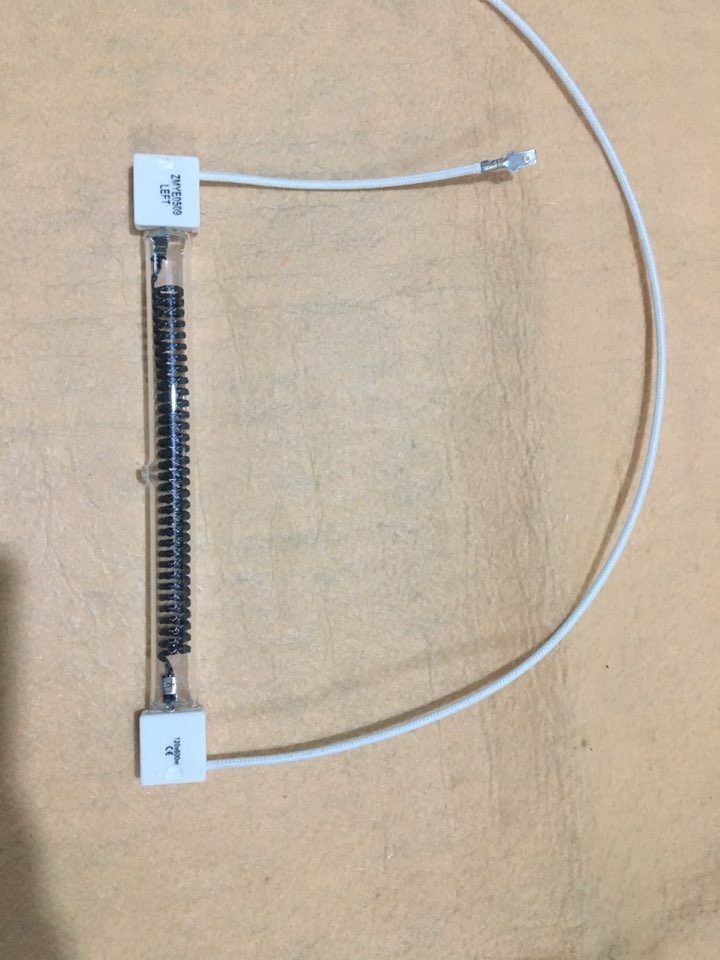
Let’s Talk Carbon Fiber Heating Elements
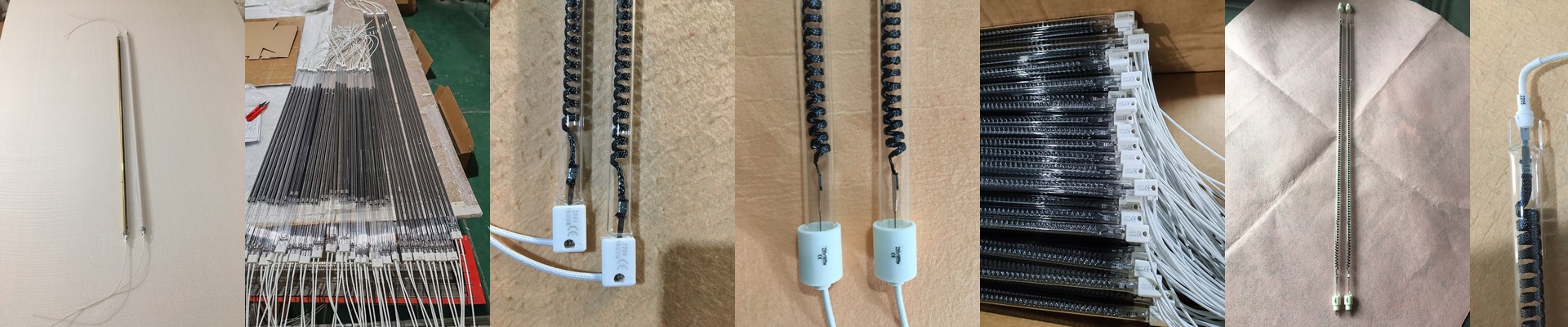
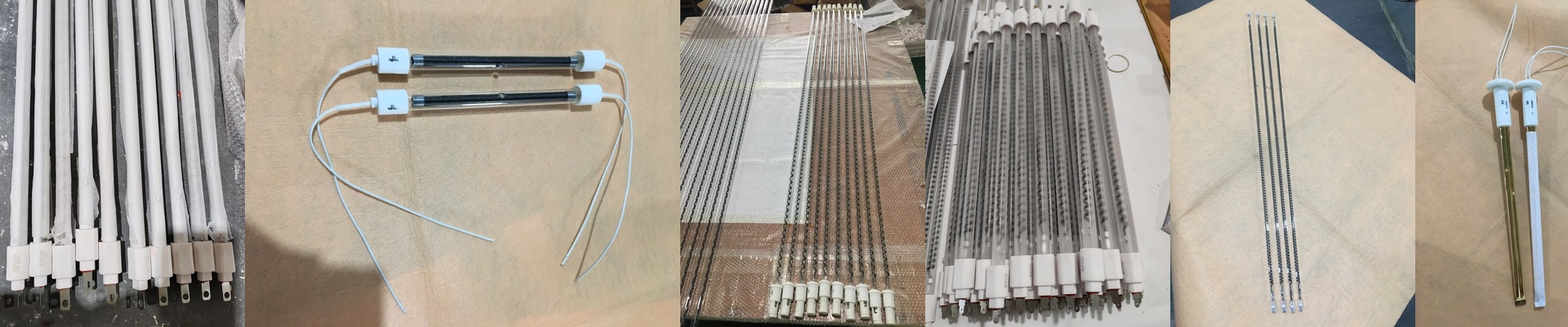
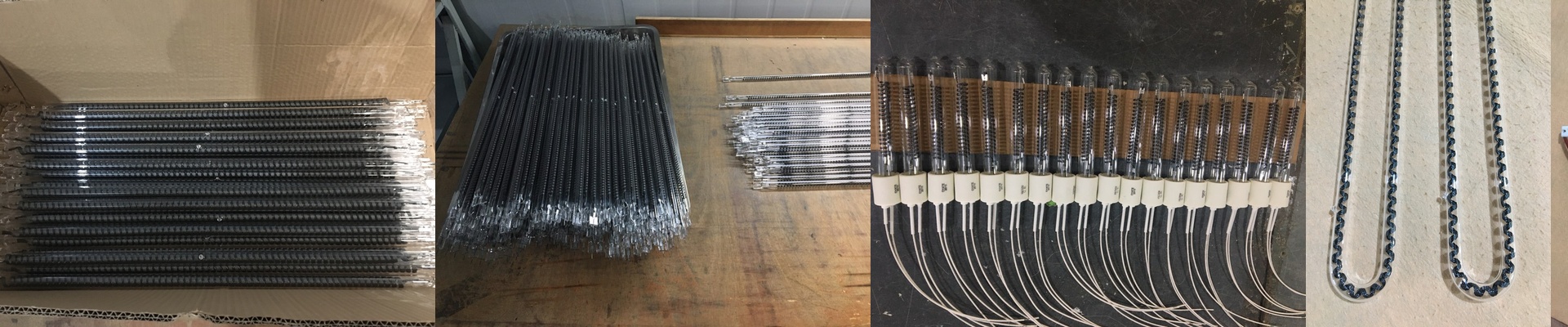
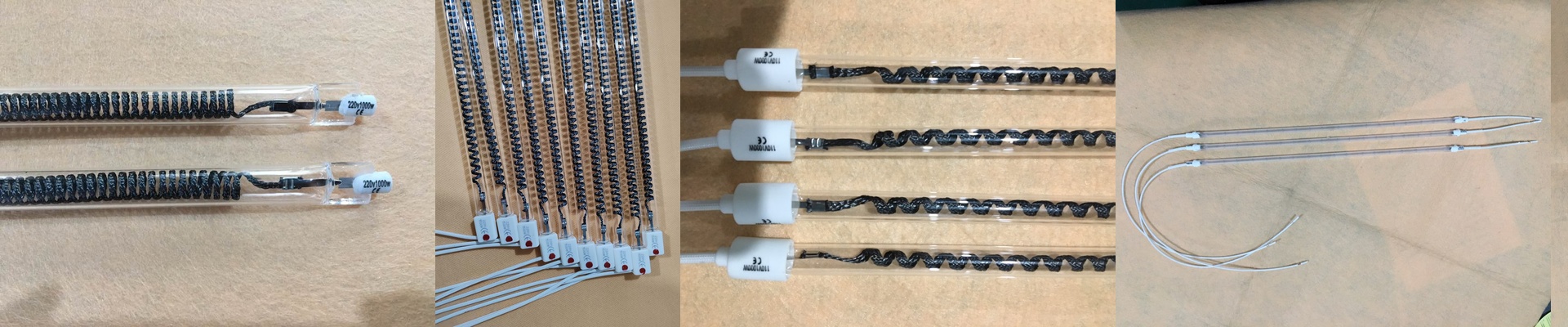
Ever tried using standard metal coils and felt like you were waiting forever for them to actually get hot? That’s usually where carbon fiber comes in. Basically, we run an electrical current through a carbon filament, and it pumps out infrared radiation. It’s the go-to choice when you need things to heat up fast—like, really fast—or when you just don’t have the space for bulky heaters. The speed is the best part. Since carbon fiber doesn’t have the heavy mass that nichrome wire does, it hits operating temperature almost instantly. When you’re picking your voltage and wattage, just keep an eye on your power supply. You don’t want a massive surge of current to trip your breakers the second you flip the switch. And a quick tip: give it some breathing room. If you crank the wattage but don’t have decent ventilation, you’ll likely fry the end-caps. What’s actually inside? We tuck the filament inside a high-purity quartz tube. It keeps the oxygen away so the filament doesn’t burn up, and it ensures nothing nasty leaks onto your workpiece. Depending on whether you’re working with plastics, metals, or special coatings, we can tweak the coatings to change how the heat hits the material. One thing to watch out for: the connection points. That’s where most of these things fail. We use reinforced terminals because we’ve seen too many filaments snap during installation or while the metal is expanding and contracting from the heat. Real-world use (and the catches) You’ll see these everywhere—PET bottle blowing, drying semiconductors, or curing paint on cars. They blow convection ovens out of the water when it comes to cycle times. But here’s the catch: carbon fiber is brittle. If your machine shakes a lot or takes a few hits, those filaments will snap. It’s not like metal; it doesn’t just bend. You’ve got to make sure your mounting brackets are rock solid to avoid that mechanical fatigue. I’d also suggest pairing them with a PID controller. It stops the temperature from overshooting, which keeps your quartz envelope from wearing out too early.